At Rovensa Next, advancing sustainable agriculture also means advancing equality, fairness and opportunities. On International Women’s Day 2026, we reaffirm our commitment to fostering an agricultural sector where talent, leadership and innovation depend on ability, not gender, under the global theme “Rights. Justice. Action. For ALL Women and Girls.
Despite progress in recent years, women across industries, including agriculture, continue to face structural and cultural barriers that limit access to equal rights and opportunities. As part of International Women’s Day 2026, Rovensa Next is giving voice to women across the organization to reflect on how meaningful action can drive a more inclusive future.
 Breaking barriers in a traditionally male-dominated sector
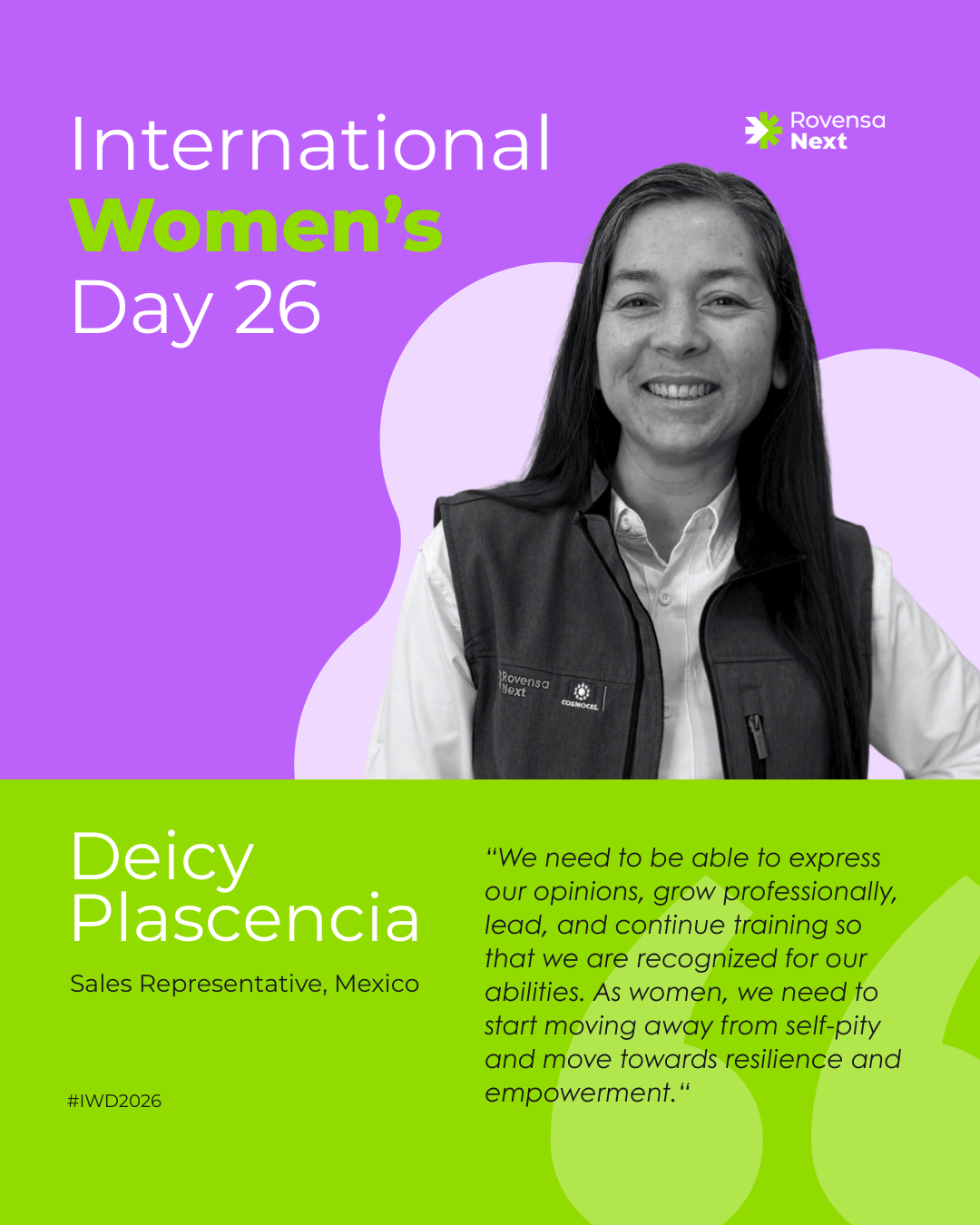
Deicy Plascencia, Sales Representative, Biocontrol in Mexico, believes that social prejudice is still one of the main obstacles for women in agriculture. She highlights how long-standing assumptions about gender roles continue to shape access to opportunities, particularly in environments where men have traditionally held leadership positions.
At the same time, Deicy emphasizes the importance of confidence, resilience and empowerment, as she explained, “having the chance to demonstrate abilities and continue developing skills is essential, because talent and capability go far beyond gender.”
From commitment to measurable action
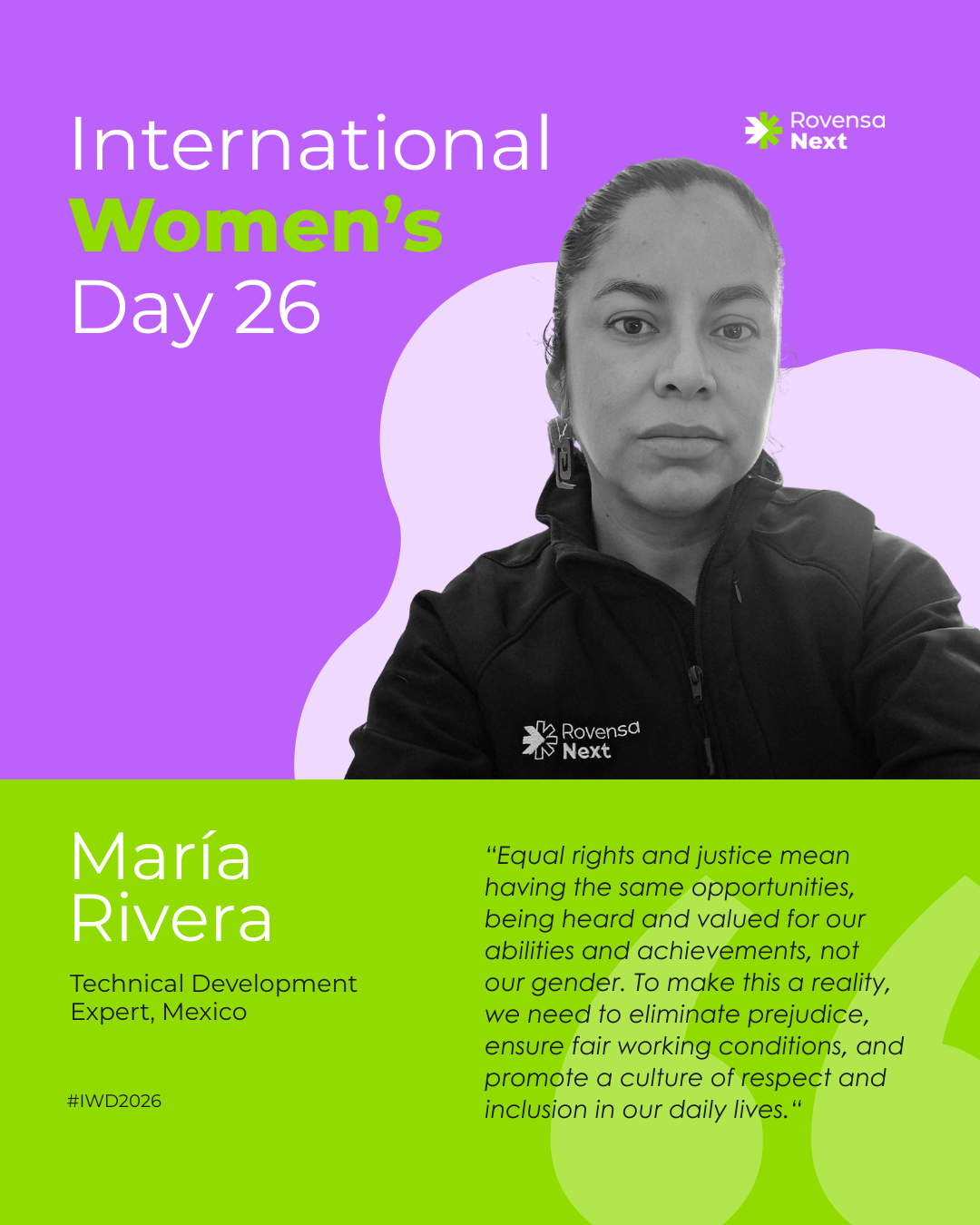
From a technical development perspective, María Rivera, Technical Development Expert in Mexico, emphasizes that “equal rights and justice mean having the same opportunities, and being recognized and valued for our abilities and achievements, not our gender.”
For María, real progress happens when organizations move beyond intention and turn commitment into action, creating inclusive environments, ensuring fair recognition based on results, and embedding equality into everyday decisions that shape careers and leadership.
The role of culture, mentorship and everyday attitudes
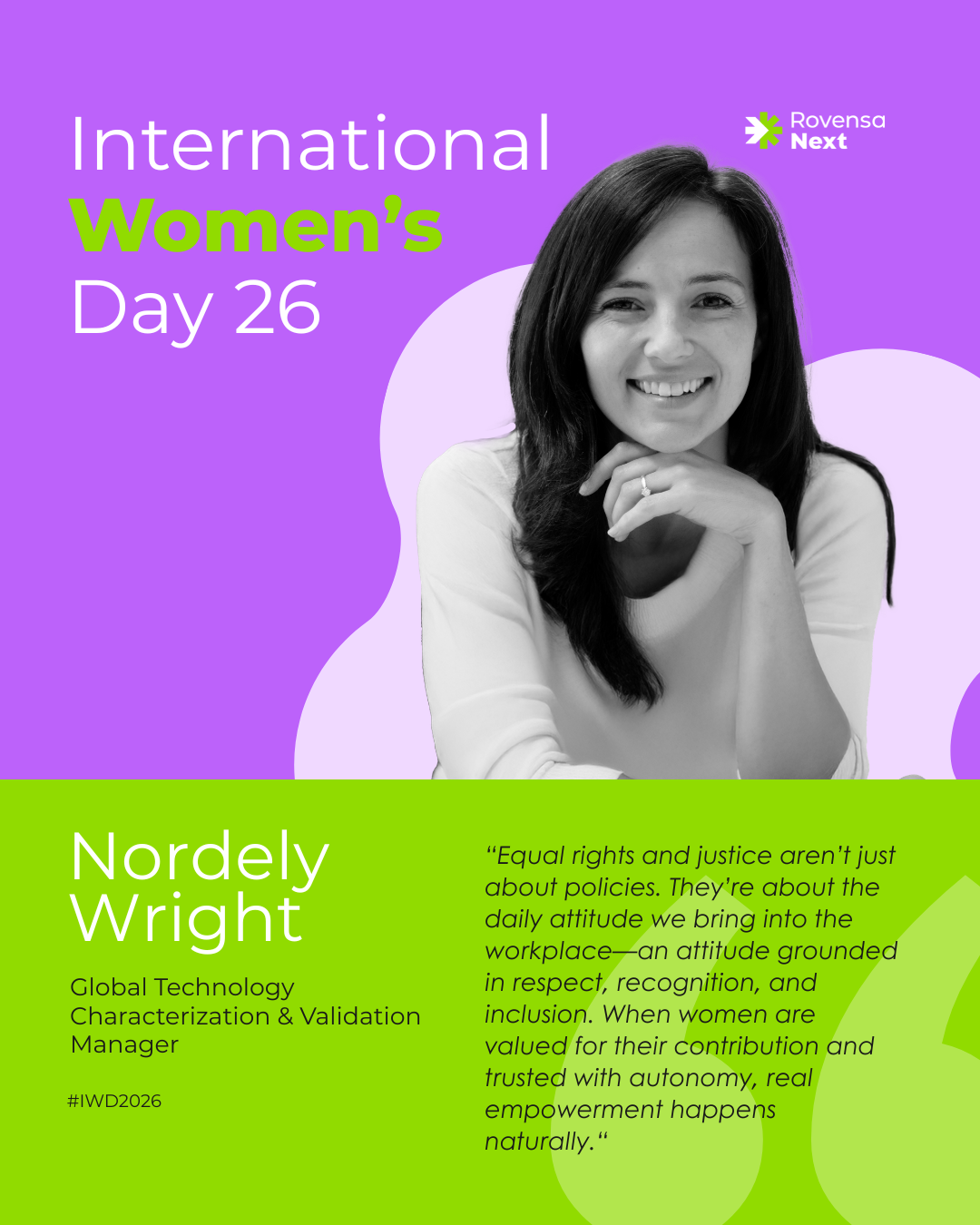
Nordely Wright, our Global Technology Characterization & Validation Manager, highlights cultural bias as one of the most persistent challenges. Although policies and awareness of equal rights often exist, attitudes and assumptions (both within organizations and across the wider environments they operate in) continue to influence access to opportunities.
Equal rights and justice, she explained, are not only defined by policies, but by daily attitudes rooted in respect, recognition and inclusion. “When women are valued for their contributions and trusted with autonomy, real empowerment happens naturally.”
Turning equality into action
At Rovensa Next, advancing equality in agriculture means aligning our values with measurable actions. As outlined in the latest Rovensa Group Sustainability Annual Report, we are committed to increasing the representation of women in senior management roles and ensuring equal pay for work of equal value. In FY24/25, women represent 32,6 % of our senior management positions. By 2030, our goal is for women to hold 35% of manager-level and more senior positions across Rovensa.
On International Women’s Day 2026, we remain committed to turning rights into justice, and justice into action, for all women and girls, and for the future of sustainable agriculture.